Service Dog Programs and Trainers in Texas
This page explains the law in general terms. It is not legal advice. For a specific situation, contact the agency listed on this site or an attorney.
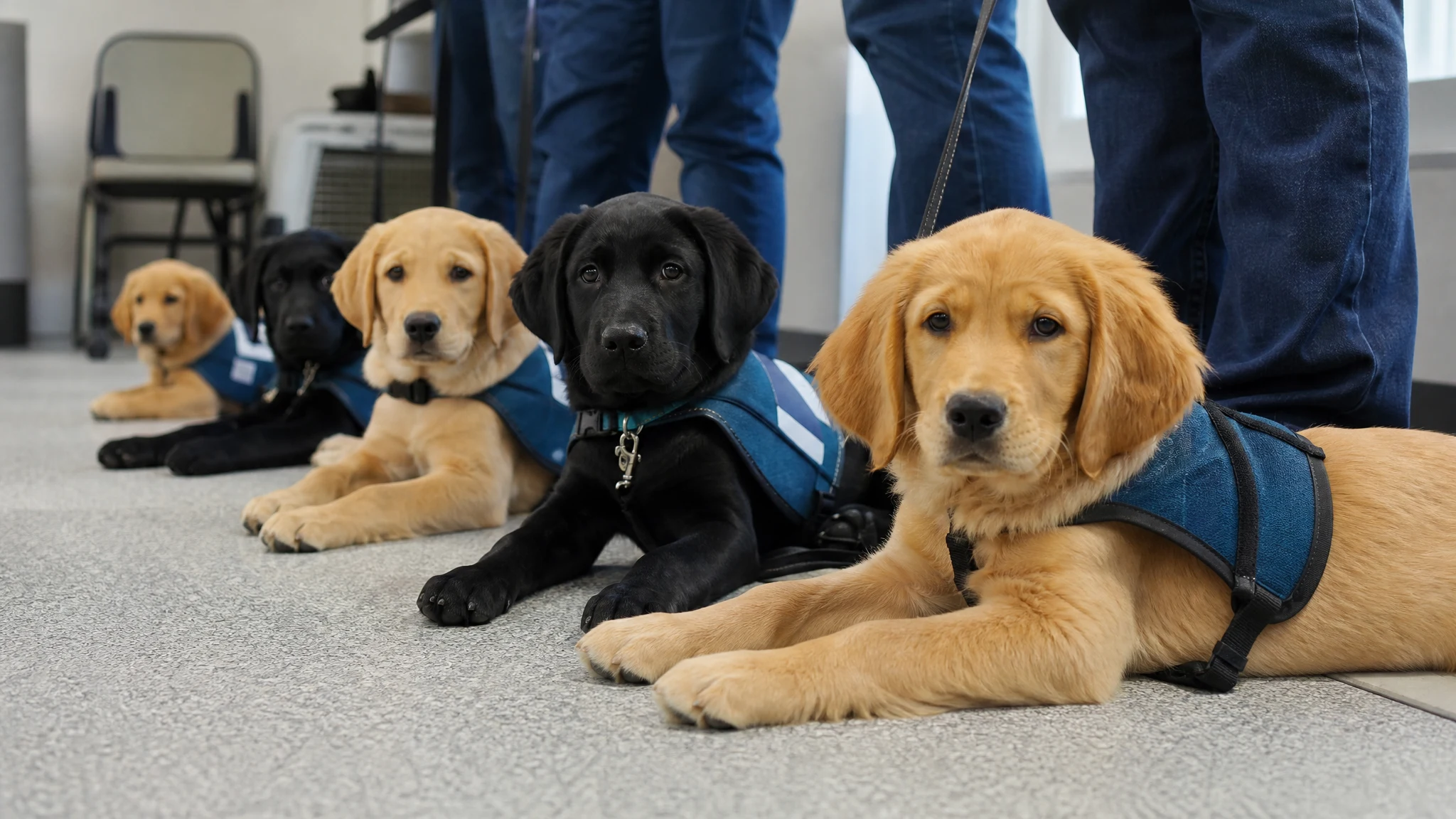
Texas has several nonprofit organizations that train and place service dogs. They differ in who they serve, what they charge, how long people wait and whether they place a dog or help you train your own. This guide lists six service dog organizations in Texas side by side, using what each one publishes.
It is a directory, not a ranking. No program here is rated, and none is recommended over another. Where an organization does not publish a fee or a waitlist, this page says so and points you to the organization to ask.
What this guide covers
The six organizations below are the ones listed here. Five are accredited members listed by Assistance Dogs International (ADI). One, Guide Dogs of Texas, is a nonprofit that says it is accredited by the International Guide Dog Federation (IGDF) and is also listed in the ADI member directory.
This page does not list private trainers by name. If you are looking for service dog trainers in Texas outside these nonprofits, ask each trainer directly about their methods, their experience with your kind of task training, and what they charge. Texas has no government licensing of service dog trainers that this guide could point you to, so ask for specifics rather than relying on a title.
What ADI accreditation means
Assistance Dogs International is a coalition of assistance dog organizations. It keeps a public member directory, and five of the six programs below appear in it with an accredited listing. Guide Dogs of Texas also appears in that directory and states IGDF accreditation on its own site.
The exact standards behind ADI accreditation are set by ADI. To see what an accredited program has to meet, read ADI's own materials and member listings, linked in the sources at the end.
Accreditation is useful information when you compare programs. It is not a legal requirement for you or your dog. Under the ADA, a service animal is a dog individually trained to do work or perform tasks for a person with a disability, according to ADA.gov. There is no official service dog registry or required certification, and a dog trained by an accredited program, by a private trainer or by its handler can all meet the definition if the dog is individually trained to do tasks related to the disability.
Side-by-side comparison
The table uses each organization's own published wording or the ADI member listing. "Not published" means the sources did not state it, so ask the organization.
| Organization | City | Kind | Who it serves | Published cost | Published waitlist |
|---|---|---|---|---|---|
| Service Dogs, Inc. | Dripping Springs | ADI accredited | Hearing, mobility, veterans, first responders, facility dogs | Says it gives its dogs away free of charge | Not published |
| The Dog Alliance | Cedar Park | ADI accredited | Veterans (PTSD, MST, TBI, mobility, psychiatric); train-your-own program for civilians and veterans | Free program-trained dogs for Texas veterans; full tuition coverage for Texas veterans with service-related disabilities in the train-your-own program | Not published |
| Patriot PAWS Service Dogs | Rockwall | ADI accredited | Veterans, mobility | No cost to accepted veterans; veterans cover travel | About 24 to 30 months, per its FAQ |
| Guide Dogs of Texas | San Antonio | Nonprofit (IGDF accredited; also in ADI directory) | Guide dogs for people who are blind or have low vision | Not published on its homepage | Not published; its homepage story describes one client waiting nearly two years |
| Canine Companions, South Central Training Center | Irving | ADI accredited | Mobility, hearing, autism, children, veterans, facility dogs | Dogs provided at no cost to clients | Not published |
| Paws for Purple Hearts, San Antonio | San Antonio | ADI accredited | Veterans and active military; mobility, PTSD, TBI | Dogs and training free of charge; client covers travel, housing and food during training | Closed, per its apply page as of October 16, 2026 |
Program by program
Each entry lists what the organization publishes, followed by points to weigh. These are not scores. A point under "Things to check" is simply something a published source leaves open or limits.
Service Dogs, Inc. (Dripping Springs)
Service Dogs, Inc. is listed by ADI as an accredited member. The ADI listing shows it serves people needing hearing and mobility dogs, veterans, first responders and facility dogs. Its address is 4925 Bell Springs Rd, Dripping Springs, TX 78620, and it works across Texas.
On cost, a news post on its site says it gives its dogs away free of charge.
What stands out:
- A wide range of disabilities and roles, including hearing dogs and dogs for first responders.
- A stated free-of-charge model.
- Statewide service area.
Things to check:
- Its waitlist length is not published.
- Its application steps and eligibility rules are not in the sources used here, so contact the organization.
The Dog Alliance (Cedar Park)
The Dog Alliance, also called Dog Alliance Service Dogs, is an ADI accredited nonprofit at 1321 W. New Hope Drive, Cedar Park, TX 78613. It serves the Greater Austin area and Texas. Its focus is veterans with PTSD, military sexual trauma (MST), traumatic brain injury (TBI), mobility and psychiatric needs.
Its site says it provides free, professionally trained service dogs to Texas veterans. It also runs an owner-train (train-your-own) program open to civilians and veterans. Texas veterans with service-related disabilities receive full tuition coverage. The ADI listing also says Texas disabled veterans can attend for $25, which describes an information seminar or consultation path.
What stands out:
- One of the few options here that supports training your own dog.
- Covers psychiatric and PTSD-related work as well as mobility.
- Stated tuition coverage for Texas veterans with service-related disabilities.
Things to check:
- Its waitlist is not published.
- Civilian fees for the train-your-own program are not stated in the sources used here, so ask the organization for current pricing.
- The ADI listing's $25 figure applies to a seminar or consultation path for Texas disabled veterans. Confirm what it covers before you plan around it.
Patriot PAWS Service Dogs (Rockwall)
Patriot PAWS is an ADI accredited nonprofit that trains mobility service dogs for disabled veterans. Its FAQ says its service comes at no cost to the veterans accepted into the program, and veterans cover their own travel to the Rockwall training facility. The ADI listing gives its geographic area as the USA.
Its FAQ says applicants need a valid DD-214 showing an honorable discharge and a VA disability rating. It also says the waiting period for a service dog is approximately 24 to 30 months.
What stands out:
- No cost to accepted veterans.
- A published, specific waiting estimate, which helps with planning.
Things to check:
- Narrow eligibility: veterans only, with an honorable discharge and a VA disability rating.
- A long stated wait of roughly two to two and a half years.
- Travel to Rockwall is the veteran's responsibility.
Guide Dogs of Texas (San Antonio)
Guide Dogs of Texas is a nonprofit at 1503 Allena Drive, San Antonio, TX 78213. It serves people who need a guide dog. It states accreditation by the International Guide Dog Federation and is also in the ADI member directory.
Its application asks whether you are at least 16 years old, a Texas resident, have orientation and mobility training and travel independently.
What stands out:
- Focused on guide work, which is a different skill set from most other programs here.
- Clear application questions that let you check basic fit before you apply.
Things to check:
- Client cost is not stated on its homepage, so ask directly.
- No waitlist figure is published. Its homepage story describes one client who waited nearly two years, which is one person's account and not a stated average.
- It places guide dogs only, so it does not fit hearing, mobility or psychiatric needs.
Canine Companions, South Central Training Center (Irving)
Canine Companions runs a South Central Training Center at the Baylor Scott & White Health Kinkeade Campus, 7710 Las Colinas Ridge, Irving, TX 75063. It is ADI accredited and serves Texas, Oklahoma, Louisiana and Arkansas. It lists mobility, hearing, autism, children, veterans and facility dogs among those it serves.
Its site states, "Our dogs are provided at no cost to clients."
What stands out:
- Serves children and families affected by autism, which few other programs here list.
- Open to civilians as well as veterans.
- Stated no-cost placement.
Things to check:
- Its waitlist is not published.
- The service area spans four states, so ask how that affects timing and where training takes place.
Paws for Purple Hearts, San Antonio
Paws for Purple Hearts is an ADI accredited nonprofit at 5119 Beckwith Blvd, Suite 106, San Antonio, TX 78249. It serves service members and veterans with mobility issues or diagnosed PTSD or TBI. The ADI listing gives its area as Texas, Louisiana, Oklahoma, Arkansas, Missouri and Kansas.
Its apply page says its service dogs and training are provided free of charge. Clients cover travel, housing and food during training.
What stands out:
- Free dogs and training, with a stated focus on PTSD and TBI.
- Serves active military as well as veterans.
Things to check:
- Its apply page said "Our waitlist is closed" as of October 16, 2026. That notice is organization-wide, not specific to San Antonio. Check its apply page for when it reopens.
- Housing, food and travel during training are the client's cost.
Who each program may fit
This section matches common situations to the programs whose published information lines up with them. It is a starting list for your own questions, not a recommendation.
- You are a Texas veteran with PTSD, MST or TBI: The Dog Alliance, Paws for Purple Hearts and Patriot PAWS (mobility) all list veterans. Check each one's eligibility rules and waitlist status first.
- You are a veteran with a mobility disability: Patriot PAWS, Paws for Purple Hearts, The Dog Alliance, Service Dogs, Inc. and Canine Companions all list mobility or veterans. Compare timelines, since Patriot PAWS publishes a 24 to 30 month estimate and Paws for Purple Hearts is closed.
- You are a civilian adult needing a mobility or hearing dog: Service Dogs, Inc. and Canine Companions list these needs.
- You are a first responder: Service Dogs, Inc. lists first responders.
- You want a dog for a child, or the family has a child with autism: Canine Companions lists children and autism.
- You are blind or have low vision and travel independently: Guide Dogs of Texas places guide dogs.
- You already have a dog or want to train your own: The Dog Alliance lists an owner-train program for civilians and veterans. Ask whether your dog's age and temperament would qualify.
- You want a facility dog for a school, clinic or hospital: Service Dogs, Inc. and Canine Companions list facility dogs.
How to apply
The sources used here do not spell out each organization's application steps, so follow the process on the organization's own site. A practical order is:
- Read the organization's eligibility and FAQ pages before you apply. Eligibility rules, such as DD-214 and VA rating requirements at Patriot PAWS or the age and travel requirements at Guide Dogs of Texas, can settle fit quickly.
- Confirm whether applications are open. Paws for Purple Hearts says its waitlist is closed.
- Ask about the wait, total cost and travel. Several programs charge nothing for the dog but leave travel, lodging and food to you.
- Ask what happens after placement, such as follow-up training and what support exists if your needs change.
- Apply to more than one program if their rules allow it. Ask each one whether it accepts people who are on another program's list.
Veterans: a federal benefit to know about
The VA runs a Service Dog Veterinary Health Benefit through its Prosthetic and Sensory Aids Service. The VA says it is provided to veterans who are prescribed guide or service dogs under 38 CFR 17. It is a veterinary health insurance benefit, not a placement program, so it does not replace applying to one of the organizations above. Check the VA page for who qualifies.
What Texas law says about dogs in training
If you plan to train a dog yourself, or you work with a trainer, public access rules matter. The Texas Human Resources Code, section 121.003(i), covers a dog in training only when it is accompanied by an approved trainer. The statute does not define "approved trainer," and the Texas Workforce Commission's guidance says the same. The ADA does not cover dogs in training, according to ADA.gov.
The statute sets no age, vest or ID requirements. Because the term is undefined, do not assume how it applies to an owner-trainer. Ask your program or an attorney, and see our guide to service dogs in Texas: training, access rights and where they can go for the full picture.
No registry, no required certificate
Texas has no state service-animal ID, tag or registry. The Texas Workforce Commission says there is no government licensing, registration or certification of service animals. Section 121.003(k) of the Human Resources Code bars demands about a service animal's qualifications or certifications. Under the ADA, staff may ask only the two questions on ADA.gov: whether the dog is a service animal required because of a disability, and what work or task it has been trained to perform.
A program placement paper is not required either. Paying for an online registration or ID card does not create legal status for a dog. Misrepresenting a pet as a service animal is a misdemeanor under section 121.006, with a fine of up to $1,000 and 30 hours of community service.
Emotional support animals and therapy or comfort animals are not service animals under the ADA. None of the organizations above is an emotional support animal program.
Verdict: how to narrow your list
No single program suits everyone, and this guide does not name a leader. The published facts do point to a few useful ways to narrow down:
- Start with your disability and your status. Veteran-only programs, guide dogs and general placement programs serve different people. Eligibility rules settle most of the choice.
- Look at the wait before the price. Several programs say their dogs are free, so time and travel are often the real differences. Patriot PAWS states 24 to 30 months, and Paws for Purple Hearts is closed.
- Ask about everything not published. Waitlists for most programs and costs for Guide Dogs of Texas are not stated in the sources used here. A direct question is the only reliable answer.
- Consider the train-your-own route if you have a suitable dog. The Dog Alliance is the one organization here that lists it.
Organizations change fees, rules and waitlist status. Confirm everything on the organization's own site or by contacting it before you apply.
If you have an access problem
If a business refuses a person with a service dog, a person denied access may sue for damages under section 121.004(b) of the Human Resources Code. For housing or employment discrimination, the Texas Workforce Commission Civil Rights Division handles complaints at 512-463-2642. This is general information, not legal advice.
Sources
- Assistance Dogs International, member directory
- Service Dogs, Inc.
- The Dog Alliance
- Patriot PAWS Service Dogs, FAQs
- Guide Dogs of Texas
- Canine Companions, South Central Training Center
- Paws for Purple Hearts, apply for a service dog
- U.S. Department of Veterans Affairs, Service and Guide Dogs
- ADA.gov, ADA Requirements: Service Animals
- ADA.gov, Frequently Asked Questions about Service Animals and the ADA
- Texas Legislature, Human Resources Code chapter 121
- Texas Workforce Commission, Rights and Responsibilities of People Using Service Animals
- Texas Workforce Commission, Civil Rights Division